

Q-Collar Sizing Guide: How to Measure and Choose the Right Fit for Athletes
Summary
- Q-Collar sizing is based on neck circumference measured in inches at mid-neck, with sizes ranging from 11 to 18.
- Accurate measurement requires a soft measuring tape, zero slack during measurement, and three separate readings to confirm consistency.
- If your measurement falls between two sizes, always choose the smaller size for proper compression and device function.
- The collar should feel snug but comfortable, similar to a well-fitted shirt collar, without restricting breathing, swallowing, or head movement.
- Both the standard Q-Collar ($199) and Q-Collar Tactical ($249) use the same numeric sizing system.
- The optional Q-Collar Sleeve is sold separately in four sizes (S, M, L, XL) and fourteen team colors for athletes who want additional coverage or team branding.
Jump to a Section
Getting the right fit is the first step in adding the Q-Collar to your protective equipment setup. Unlike helmets or pads that rely on adjustable straps, the Q-Collar uses a precise numeric sizing system based on neck circumference. A properly fitted collar delivers the light, consistent pressure needed for the device to function while remaining comfortable throughout practice and competition.
This guide walks through the measurement process, explains the sizing system, and helps you confirm proper fit before stepping onto the field, rink, or pitch.
Why Proper Q-Collar Fit Matters
The Q-Collar works by applying light pressure to the sides of the neck, which partially occludes the internal jugular veins and increases blood volume inside the skull. This additional volume reduces the brain's movement upon impact, the primary cause of brain injury during contact sports.
For this mechanism to work correctly, the collar must maintain consistent, gentle pressure throughout activity. Too loose, and the device cannot apply the necessary compression. Too tight, and the collar becomes uncomfortable or restrictive, potentially affecting performance or compliance.
Proper fit ensures:
- Consistent compression throughout play, even during intense movement
- Comfort that allows athletes to focus on their sport, not their equipment
- No interference with breathing, swallowing, or head rotation
- Compatibility with helmets, shoulder pads, and other protective gear
- Device function aligned with the clinical research that supported FDA clearance
The sizing process takes less than five minutes but makes the difference between a piece of equipment that works seamlessly and one that sits unused in a gear bag.
How to Measure Your Neck for Q-Collar Sizing
Q-Collar sizing is based on a single measurement: neck circumference at mid-neck, measured in inches. The process is straightforward but requires attention to detail for accuracy.
What You Need
- A soft measuring tape (fabric or flexible plastic, not a rigid metal tape measure)
- A mirror or second person to help confirm placement
- The athlete whose neck you're measuring (measurements should be taken on the person who will wear the collar, not estimated from another athlete's size)
Step-by-Step Measurement Process
Step 1: Find the mid-neck position. The measurement should be taken at the midpoint of the neck, roughly halfway between the base of the skull and the top of the shoulders. This is typically where a shirt collar would sit. Stand or sit upright with your head in a neutral position, looking straight ahead.
Step 2: Wrap the measuring tape around the neck. Place the tape horizontally around the neck at the mid-neck position. The tape should lie flat against the skin without twisting. If you have long hair, pull it up and out of the way to avoid adding bulk to the measurement.
Step 3: Pull the tape snug with zero slack. This is the most important part of the process. Pull the measuring tape snug against the neck so there is no gap or slack between the tape and the skin. The tape should be firm but not tight enough to compress the neck or cause discomfort. Think of it as the tension you'd use to measure your waist for pants, not as tight as a belt under tension.
Step 4: Read the measurement where the tape overlaps. Note the measurement in inches to the nearest tenth (for example, 13.2 inches or 14.8 inches). Do not round to the nearest whole number yet.
Step 5: Repeat the measurement two more times. Remove the tape, reset, and measure again from scratch. Take three separate measurements to confirm consistency. If all three measurements are within 0.2 inches of each other, you have an accurate reading. If the measurements vary by more than that, check your technique and measure again.
Step 6: Use the smallest measurement. Once you have three consistent readings, use the smallest of the three measurements as your official neck circumference. This ensures you don't accidentally size up due to a loose measurement.
Measurement Tips
- Measure in the morning or at a neutral time of day. Neck circumference can increase slightly after intense activity due to increased blood flow and muscle engagement.
- Do not measure over clothing, turtlenecks, or compression garments. The tape should rest directly against the skin.
- Keep your shoulders relaxed and your head in a neutral position. Do not tilt your chin up or down, as this changes neck circumference.
- If you're measuring a young athlete, have them stand still and breathe normally. Do not hold your breath during measurement.
Q-Collar Size Chart and Selection
Q-Collar uses a numeric sizing system from 11 to 18, with each number representing the neck circumference in inches. Here's the complete size chart:
- Size 11: 11.0 – 11.9 inches
- Size 12: 12.0 – 12.9 inches
- Size 13: 13.0 – 13.9 inches
- Size 14: 14.0 – 14.9 inches
- Size 15: 15.0 – 15.9 inches
- Size 16: 16.0 – 16.9 inches
- Size 17: 17.0 – 17.9 inches
- Size 18: 18.0 – 18.9 inches
Selecting Your Size
Once you have your neck measurement, selecting your size is straightforward:
If your measurement falls within a size range (for example, 13.4 inches), choose that size (Size 13).
If your measurement falls exactly on a size boundary (for example, exactly 14.0 inches), you are technically at the start of the larger size range. However, Q30 recommends choosing the smaller size in borderline cases to ensure proper compression. In this example, Size 13 would be the recommended choice, though Size 14 would also be within range.
If your measurement falls between two sizes due to rounding (for example, 13.95 inches, which rounds to 14.0), always round down and choose the smaller size. The collar is designed to provide a snug fit, and a slightly smaller size will still be comfortable while maintaining the necessary compression.
Why Size Down When Between Sizes
The Q-Collar's silicone construction has a small amount of give, which means a collar that feels slightly snug when first worn will settle into a comfortable fit within the first few uses. A collar that is too large, by contrast, cannot be tightened and may not provide consistent compression throughout activity. When in doubt, the smaller size is the safer choice.
How the Q-Collar Should Feel When Worn
Once you've selected your size and received your Q-Collar, the fit check confirms that the collar is working as designed. Here's what proper fit feels like:
Initial Fit
When you first put on the Q-Collar, it should feel snug but not restrictive. The sensation is similar to wearing a well-fitted shirt collar or a tie that's been adjusted to a comfortable tightness. You should be aware that the collar is there, but it should not cause discomfort, pain, or difficulty breathing.
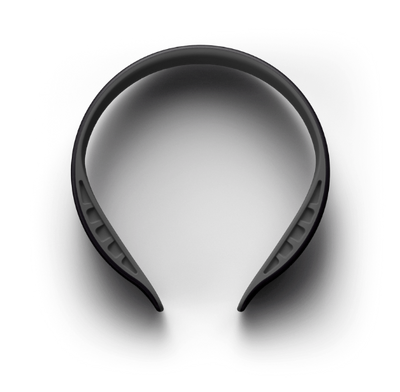
The collar should sit at mid-neck, the same position where you took your measurement. The two pressure points (the soft silicone pads on the inside of the collar) should rest lightly against the sides of the neck, just below the jawline. These are the areas where the jugular veins run, and this is where the collar applies its gentle compression.
Movement Check
Perform these simple tests to confirm proper fit:
- Head rotation: Turn your head fully to the left, then fully to the right. The collar should move with you without shifting position or causing discomfort.
- Chin tuck: Tuck your chin down toward your chest, then tilt your head back. The collar should stay in place and should not dig into your skin or restrict movement.
- Breathing: Take several deep breaths. The collar should not interfere with your ability to breathe normally or comfortably.
- Swallowing: Swallow normally. The collar should not restrict or cause discomfort during swallowing.
If the collar passes all four tests, the fit is correct.
During Activity
The true fit test happens during practice or competition. The collar should remain in position throughout activity, even during intense movement, contact, or falls. Athletes report that after the first few uses, they stop noticing the collar entirely, similar to how you stop noticing a mouthguard or compression gear once you're focused on play.
If the collar shifts, slides, or feels uncomfortable during activity, revisit your measurement and consider whether a different size might provide a better fit. Some athletes also find that pairing the collar with the Q-Collar Sleeve helps keep the device in place, particularly in sports with frequent head-down positions like football or lacrosse.
Signs of Incorrect Fit
These are signs that your Q-Collar may be the wrong size:
- Too tight: Difficulty breathing, discomfort when swallowing, visible skin indentation after removing the collar, headache or dizziness during use.
- Too loose: Collar shifts position during activity, collar rotates around the neck, you can easily slide two fingers between the collar and your skin when the collar is in place.
If you experience any of these issues, re-measure your neck and compare your measurement to the size chart. Contact Q30 customer support if you need guidance on sizing adjustments.
Q-Collar Sleeve Sizing and Options
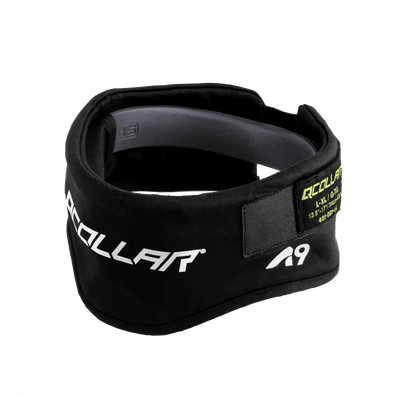
The Q-Collar Sleeve is an optional accessory sold separately from the collar itself. It serves two purposes: it helps keep the collar in position during play, and it allows athletes to add team colors or personal style to their equipment setup.
Sleeve Sizing
The sleeve uses a traditional small/medium/large/extra-large sizing system, separate from the numeric collar sizing. Sleeve size is based on neck circumference, similar to the collar, but the ranges are broader:
- Small: Fits collar sizes 11-12
- Medium: Fits collar sizes 13-14
- Large: Fits collar sizes 15-16
- Extra-Large: Fits collar sizes 17-18
To select your sleeve size, simply match it to your collar size. If you wear a Size 13 collar, choose a Medium sleeve.
Sleeve Features
The Q-Collar Sleeve is made from four-way stretch moisture-wicking fabric designed to move with the athlete and stay dry during activity. It's machine washable and available in fourteen team colors, including black, white, navy, royal blue, red, maroon, purple, pink, orange, yellow, kelly green, forest green, grey, and Vegas gold.
The sleeve slips over the collar and sits against the skin, creating a layer between the silicone collar and the neck. Some athletes find this more comfortable, particularly during long practices or in hot weather. The sleeve also prevents the collar from shifting during contact, which can be helpful in sports like football or hockey where helmet straps, shoulder pads, and other gear create additional movement around the neck area.
Do You Need a Sleeve?
The sleeve is optional. The Q-Collar functions correctly with or without it. Athletes who prefer the feel of fabric against their skin, who play in hot conditions, or who want to match team colors often choose to add a sleeve. Athletes who prefer minimal equipment or who find the collar comfortable on its own may skip the sleeve entirely.
If you're unsure, start with the collar alone and add a sleeve later if you find you want the additional coverage or stability.
Common Q-Collar Sizing Mistakes to Avoid
These are the most common sizing errors that lead to incorrect fit:
1. Measuring Over Clothing
Measuring over a shirt, hoodie, or turtleneck adds bulk and results in a measurement that's too large. Always measure directly against the skin.
2. Using a Rigid Measuring Tape
Metal or rigid measuring tapes don't conform to the neck's shape and can produce inaccurate measurements. Use a soft fabric or flexible plastic tape designed for body measurements.
3. Measuring with Slack in the Tape
If there's any gap or slack between the measuring tape and the neck, the measurement will be too large. Pull the tape snug, with firm contact against the skin, but without compressing the neck.
4. Taking Only One Measurement
A single measurement can be inaccurate due to tape placement, tension, or reading error. Always take three separate measurements and use the smallest reading.
5. Rounding Up When Between Sizes
When your measurement falls between two sizes, the instinct is often to round up for comfort. With the Q-Collar, the opposite is true: always choose the smaller size to ensure proper compression.
6. Guessing Based on Shirt Size
Shirt collar sizes and Q-Collar sizes do not correspond directly. A size 15 dress shirt collar does not mean you need a Size 15 Q-Collar. Always measure your neck specifically for the Q-Collar rather than estimating based on other clothing.
7. Measuring After Intense Activity
Neck circumference can increase temporarily after hard training due to increased blood flow and muscle engagement. For the most accurate measurement, measure at a neutral time of day, not immediately after practice or competition.
8. Ignoring Fit Check Tests
Even if your measurement suggests a certain size, the fit check tests (head rotation, breathing, swallowing) confirm that the collar works correctly when worn. If the collar feels uncomfortable during these tests, re-evaluate your size selection.
For families building a complete equipment setup, the Q-Collar product page covers pricing, detailed specifications, and purchasing options.
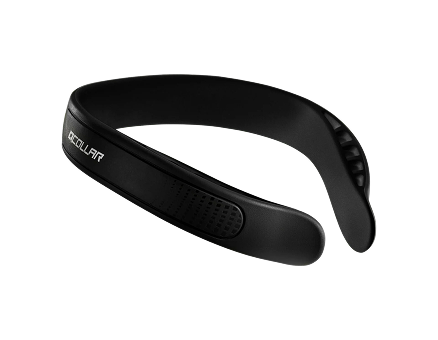
FOR ATHLETES
Q-Collar
The first and only FDA-cleared device designed to help protect the brain from the effects of repetitive sub-concussive head impacts in sports.
$199.00
Buy NowFrequently Asked Questions
How do I know if my Q-Collar fits correctly?
A properly fitted Q-Collar should feel snug but comfortable, similar to a well-fitted shirt collar. You should be able to breathe, swallow, and move your head freely without restriction. The collar should stay in position during activity without shifting or rotating. If you can easily slide two fingers between the collar and your neck when it's in place, the collar is too loose. If you experience difficulty breathing, discomfort when swallowing, or visible skin indentation after removing the collar, it's too tight.
What if my neck measurement falls exactly between two sizes?
If your measurement falls on the boundary between two sizes (for example, exactly 14.0 inches), Q30 recommends choosing the smaller size. The Q-Collar's silicone material has a small amount of give and will settle into a comfortable fit within the first few uses. A collar that is slightly snug will maintain proper compression throughout activity, while a collar that is too large cannot be adjusted and may not function correctly.
Can I wear the Q-Collar over a turtleneck or compression shirt?
No. The Q-Collar is designed to be worn directly against the skin. Wearing it over clothing prevents the collar from applying the necessary compression to the jugular veins and interferes with the device's mechanism of action. If you prefer fabric against your skin, consider adding a Q-Collar Sleeve, which is designed to work with the collar and sits between the silicone and your neck.
Do Q-Collar sizes correspond to dress shirt collar sizes?
Not directly. While both use neck circumference as the basis for sizing, the measurement technique and fit requirements are different. A size 15 dress shirt collar does not necessarily mean you need a Size 15 Q-Collar. Always measure your neck specifically for the Q-Collar using the technique described in this guide rather than estimating based on clothing sizes.
How often should I re-measure for Q-Collar sizing?
For young athletes who are still growing, re-measure every six months or at the start of each season. Neck circumference can increase as athletes grow taller, gain muscle mass, or move up in competition level. For adult athletes, neck size is generally stable, but it's worth re-measuring if you experience significant weight change, begin a new strength training program, or notice that your collar feels different than it did when you first started wearing it.
Can I try on different sizes before purchasing?
Many retail locations that carry the Q-Collar have sizing samples available for athletes to try before purchasing. Use the store locator to find a retailer near you. If you're purchasing online and are unsure about sizing, measure carefully using the technique in this guide and choose the smaller size if you're between measurements. Q30's customer support team can also help with sizing questions before you order.
How does the Q-Collar help protect the brain?
The Q-Collar is FDA-cleared to help protect the brain from the effects of repetitive sub-concussive head impacts. However, the FDA states that data do not demonstrate that the device can help protect the brain or serious brain injury. The Q-Collar is designed as an additional layer of protection to be used alongside helmets and other sport-appropriate protective equipment, not as a replacement for any existing gear.
What is the difference between Q-Collar and Q-Collar Tactical sizing?
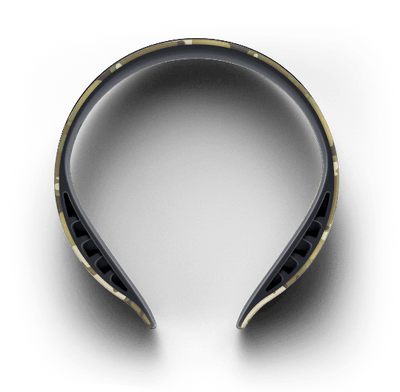
Both the standard Q-Collar ($199) and the Q-Collar Tactical ($249) use the same numeric sizing system based on neck circumference. The sizing process, size chart, and fit guidelines are identical for both models. The Tactical model is designed for military and first responder use and features a different colorway and branding, but the fit and function are the same.