

The Safest Football Helmet Isn't Enough. Here's the Other Half.
Summary
- The football helmet is required equipment and the foundation of any safety setup. Modern helmet ratings and testing are real, rigorous, and meaningful.
- The Virginia Tech Helmet Lab publishes independent safety ratings for football helmets, and parents should use them as a starting reference.
- Even the highest-rated helmet has a structural blind spot. Helmets are designed to help reduce external force on the skull. They are not designed to stop the brain from moving inside the skull during impact.
- That internal brain movement is one of the mechanical drivers of brain injury and a key factor in repetitive sub-concussive head impacts. The CDC HEADS UP program and the American Academy of Pediatrics both highlight cumulative head impact exposure as a critical area for parents to understand.
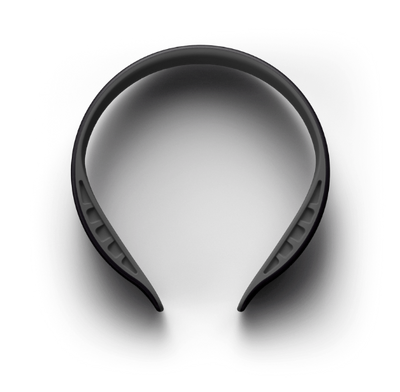
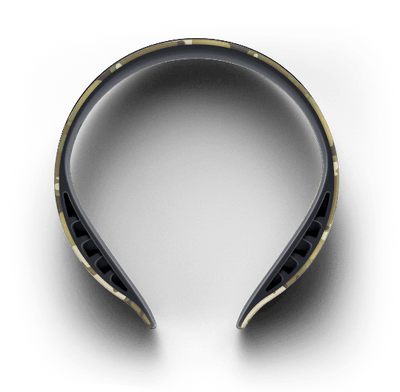
- The Q-Collar is an FDA-cleared Class II medical device designed to help protect the brain from effects of repetitive sub-concussive head impacts. It is the other half of the protection equation, worn around the neck and compatible with any helmet.
- In peer-reviewed clinical research, scientists observed that athletes who wore the Q-Collar showed no significant changes in brain white matter over a season of play on DTI imaging, while athletes who did not wear it showed significant changes.
Jump to a Section
- What Actually Makes a Football Helmet "Safe"
- The Helmet Safety Ratings Worth Knowing
- The Blind Spot in Even the Safest Helmet
- What Happens to the Brain Inside the Skull
- The Other Half: Internal Brain Protection
- How a Helmet and the Q-Collar Work Together
- A Parent's Buying Framework
- Frequently Asked Questions
What Actually Makes a Football Helmet "Safe"
Walk into any sporting goods store and the wall of football helmets looks like a fortress. The shells are sculpted. The padding is engineered. The marketing says "concussion protection" in font sizes designed for parents who are already worried. The question every parent of a football player ends up asking is some version of the same one. Which helmet is actually the safest?
The honest answer starts with what a helmet is built to do. A football helmet is engineered to absorb and distribute the force of a direct impact to the skull. The hard outer shell spreads the load so no single point of bone takes the full blow. The padding inside compresses on impact, slowing the head's deceleration and reducing the peak force transmitted through the bone. This combination is the entire mechanical purpose of helmet design.
A "safe" helmet, in technical terms, is one that performs this job well across the kinds of impacts a football player actually experiences. The variables that matter include shell strength, internal padding design, energy absorption material, fit, and weight distribution. A helmet that performs well on these measures is a serious piece of safety equipment.
And it is also half of the story.
The Helmet Safety Ratings Worth Knowing
Parents who want a starting point for helmet shopping should know that independent ratings exist. The most widely cited is the Virginia Tech Helmet Lab, which uses laboratory testing to assign star ratings to football helmets. The methodology is published, the data is updated as new helmets are tested, and the results offer a meaningful benchmark.
The ratings reflect performance on specific impact tests. They do not predict what will happen in any given play. They do tell a parent, in relative terms, which helmets have performed well against engineering standards and which have not. Combined with proper fit, a highly-rated helmet represents the strongest external-impact protection currently available in commercial products.
Beyond Virginia Tech, the National Operating Committee on Standards for Athletic Equipment, known as NOCSAE, certifies helmets that meet baseline safety thresholds. NOCSAE certification is a minimum standard. The Virginia Tech ratings are a comparative one.
The practical takeaway for parents: pick a helmet that is NOCSAE-certified, performs well on the Virginia Tech ratings, fits the player properly, and is replaced or recertified on schedule. This is the right foundation. It is not the entire picture.
The Blind Spot in Even the Safest Helmet
Here is the part that does not show up in the helmet ratings, in store displays, or in most parent conversations until someone explains it directly. A football helmet, no matter how highly rated, works on the outside of the skull. It cannot reach inside.
The brain is not bolted to the skull. It is soft tissue, suspended in cerebrospinal fluid, with empty space between it and the inner walls of the bone that surrounds it. When the head takes a hit, the skull stops or changes direction. The brain, with its own mass and momentum, continues moving. It strikes the inside of the skull. It can rotate. It can rebound.
This internal movement is one of the mechanical drivers of brain injury. It is also a major part of what causes the cumulative changes researchers have measured in athletes who experience many small impacts across a season, even without any single hit producing a concussion diagnosis.
No helmet is designed to address this. Not because helmet engineers are missing something, but because the physics of internal brain movement happens on the other side of the bone the helmet is built to protect. A wall on the outside cannot stop a movement on the inside.
This is the blind spot. It exists in every helmet ever made.
What Happens to the Brain Inside the Skull
Research over the last fifteen years has changed how the medical community thinks about head injury in sports. The old model focused on diagnosable concussions, single events with clear symptoms. The newer model recognizes that the brain accumulates micro-level changes from repeated impacts, even when no concussion is diagnosed.
Diffusion tensor imaging, a brain-imaging technique sensitive to micro-structural changes that standard MRI cannot detect, has documented these changes across a single season of high school and college football. Studies published in the British Journal of Sports Medicine have shown that the cumulative effect of sub-concussive impacts produces measurable signals in brain tissue. For a deeper look at this body of evidence, see a decade of sub-concussive impact research.
The implication for parents is real and worth sitting with. The hits that do not result in a concussion diagnosis are not nothing. The cumulative load of an entire season, year after year, registers in the tissue of the brain. This is what a helmet, by design, cannot address.
It is also why one of the strongest medical-device categories in the last decade has been focused on this exact gap.
The Other Half: Internal Brain Protection
The Q-Collar is the only FDA-cleared device in its category. It is a Class II medical device designed to help protect the brain from effects associated with repetitive sub-concussive head impacts. It is not a helmet. It does not replace a helmet. It is the other half of the equation.
The mechanism is straightforward. The Q-Collar is worn around the neck. It applies light, calibrated pressure to the sides of the neck, specifically over the jugular veins. That pressure partially occludes the jugular veins and slightly increases the blood volume inside the skull. With more blood volume, the brain fits more snugly within the skull cavity, so it moves less on impact — and the Q-Collar does this without reducing blood flow through the carotid arteries. The result is a tighter fit for the brain inside its bony case.
In peer-reviewed clinical studies, researchers observed that athletes who wore the Q-Collar showed no significant changes in brain white matter over a season of play on DTI imaging, while athletes who did not wear it showed significant changes. This is the kind of measurement that drove FDA review and clearance of the device.
For parents who have already done the work to put their child in the safest helmet they can afford, the Q-Collar is the layer that addresses the part of the problem the helmet cannot reach. It does not make the helmet less important. It completes what the helmet started.
How a Helmet and the Q-Collar Work Together
Layered protection is not a marketing concept. It is a design principle in every category where safety equipment exists. A car has crumple zones, airbags, and seatbelts because each one does something the others cannot. Same logic applies here.
The football helmet is the external layer. It is designed to absorb the direct blow, distribute the load across the skull, and reduce the peak force that reaches the head. This is essential, required, and not replaceable by any other device.
The Q-Collar is the internal layer. It does not absorb the blow. It addresses what happens to the brain in the moments after, when internal movement is the mechanical driver of accumulated damage. It complements the helmet rather than competing with it.
Worn together, the helmet handles the outside and the Q-Collar handles the inside. They are sequential parts of a single protection chain. For a closer look at how the Q-Collar differs from the other types of football neck protection a player might encounter, see neck rolls vs. Q-Collar. For broader parent-focused context on youth sports brain safety, see youth sports brain safety: what parents need to know in 2026.
A Parent's Buying Framework
For a parent making safety decisions for a football player, the framework that matches the science looks something like this:
Step one: the right helmet. NOCSAE-certified, well-rated on the Virginia Tech scale, properly fit by someone who knows what they are doing, and replaced on schedule. This is non-negotiable. It is required equipment for football at every level.
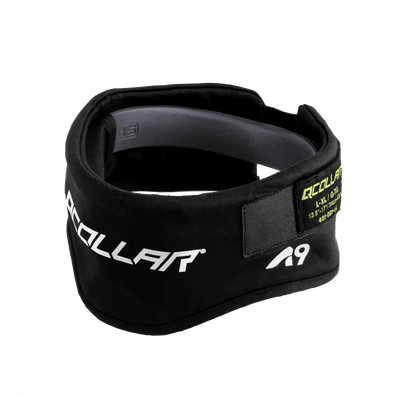
Step two: position-appropriate neck protection. A traditional neck roll or cowboy collar for linemen, linebackers, and players with stinger history. This addresses the spine and surrounding nerves, not the brain.
Step three: the Q-Collar as the internal brain-protection layer. Compatible with any helmet, any neck collar, any shoulder pads. Designed to help protect the brain from effects of repetitive sub-concussive head impacts. The only FDA-cleared device in its category. For more on the case for outfitting younger players with this layer, see why youth football players should wear the Q-Collar and five reasons your child should wear a Q-Collar in contact sports.
The framework is sequential because the protection categories are sequential. Required gear first. Position-specific protection second. Internal brain protection as the layer that addresses the part of the problem no helmet was ever built to solve.
The safest football helmet is a critical investment. It is also half of the equation. The other half is what this is all about.
For families building a complete football safety setup, the Q-Collar product page covers pricing, sizing, and the full feature set, and the deeper sport-specific research is gathered on the Q-Collar in football page.
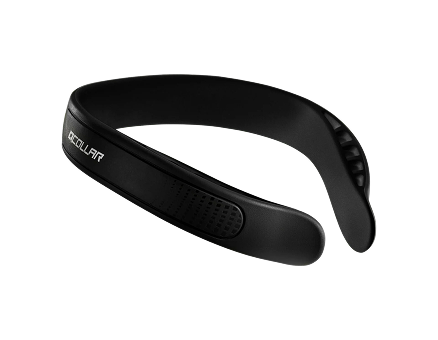
FOR ATHLETES
Q-Collar
The first and only FDA-cleared device designed to help protect the brain from the effects of repetitive sub-concussive head impacts in sports.
$199.00
Buy NowFrequently Asked Questions
What is the safest football helmet?
Helmet safety is measured by independent bodies, including the Virginia Tech Helmet Lab star rating system. Top-rated helmets meet rigorous standards for energy absorption and impact distribution. The specific model that ranks highest changes as new helmets are tested. What stays constant is that all helmets, including the best-rated ones, are designed to help reduce external impact force, not internal brain movement.
Can a football helmet prevent concussions?
No equipment can claim to prevent concussions, however the Q-Collar is clinically validated to better protect the brain from the effects of head impacts. Helmets are designed to help reduce skull fracture and certain head injuries, not to address brain movement inside the skull.
What is brain slosh?
Brain slosh refers to the movement of the brain inside the skull during a head impact. The brain is soft tissue suspended in cerebrospinal fluid with empty space around it. When the head accelerates, decelerates, or rotates suddenly, the brain continues moving and can strike the inside of the skull. This movement is one of the mechanical drivers of brain injury, and it is not addressed by helmet design.
Is a youth football helmet different from an adult helmet?
Yes. Youth football helmets are sized and engineered for younger athletes. Fit is the single most important variable. A properly fitted youth-specific helmet that meets current safety standards is the right starting point for any young football player.
Should a parent buy a Q-Collar in addition to a helmet?
The Q-Collar is the only FDA-cleared device in its category and is designed to help protect the brain from effects associated with repetitive sub-concussive head impacts. It is an additional layer of protection that works with any helmet. The decision depends on the level of play, position, and the family's risk philosophy.
Can the Q-Collar be worn with any helmet?
Yes. The Q-Collar is worn around the neck and is compatible with all standard football helmets at every level of play. It does not interfere with chin straps, mouthguards, shoulder pads, or any other required equipment.
What does the research say about the Q-Collar?
In peer-reviewed clinical studies, researchers observed that athletes who wore the Q-Collar showed no significant changes in brain white matter over a season of play on DTI imaging, while athletes who did not wear it showed significant changes. The Q-Collar is the only FDA-cleared device in its category. See the published research.