

Neck Roll Football: What Parents and Players Need to Know in 2026
Summary
- Traditional football neck rolls were designed to limit extreme neck extension and reduce cervical spine injury risk, not to address brain injury from repetitive impacts.
- Modern research has shifted focus to sub-concussive impacts, the smaller hits that occur on nearly every play and accumulate over a season.
- A study published in the British Journal of Sports Medicine involving 42 high school football players found that athletes wearing the Q-Collar showed no significant white matter changes on brain imaging, while control players showed measurable changes.
- The Q-Collar represents a different approach to protection, applying light jugular vein compression to reduce brain movement inside the skull upon impact.
- Professional athletes including Sauce Gardner, Logan Wilson, and Tony Pollard have integrated Q-Collar into their equipment setup alongside helmets and pads.
- Equipment compatibility matters: neck protection devices must work with helmets, shoulder pads, and other gear without interference.
Jump to a Section
- What Is a Football Neck Roll?
- How Traditional Neck Rolls Work
- The Shift in Brain Safety Research
- Understanding Sub-Concussive Impacts in Football
- Modern Brain Protection: The Q-Collar Approach
- Clinical Research in High School Football
- Equipment Compatibility and Layered Protection
- Professional Player Adoption
- Q-Collar Product Details
- Frequently Asked Questions
When parents start researching football safety equipment, the term "neck roll football" often comes up alongside helmets, shoulder pads, and mouthguards. But what exactly is a neck roll, what protection does it provide, and how does it fit into the broader conversation about brain safety in 2026?
This guide covers everything parents and players need to know about football neck protection, from traditional neck rolls to modern brain protection devices like the Q-Collar, and how to build a complete safety equipment setup.
What Is a Football Neck Roll?
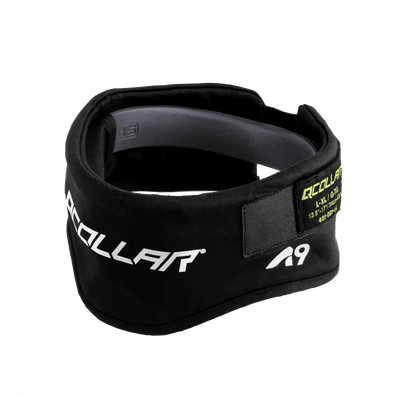
A traditional football neck roll is a padded collar that attaches to the back of shoulder pads or sits at the base of the helmet. Made from foam padding covered in vinyl or fabric, neck rolls were a common sight in football from the 1970s through the early 2000s.
The primary purpose of a neck roll is to limit extreme backward extension of the neck. When a player's head snaps back during a tackle or collision, the neck roll acts as a physical barrier, restricting how far the neck can bend. This mechanical limitation was designed to reduce the risk of cervical spine injuries, particularly hyperextension injuries that can damage vertebrae and surrounding soft tissue.
Neck rolls became popular during an era when cervical spine injuries were a major concern in football. Players like running backs and linebackers, who frequently absorbed hits with their heads in vulnerable positions, often wore them. The device provided a simple, low-tech solution: a cushioned stop that prevented the head from bending too far backward.
However, neck rolls were never designed to address brain injury. Their mechanical function stops at the cervical spine. They do not reduce the forces transmitted to the brain when the head decelerates rapidly during impact, and they were not intended to address the cumulative effects of repetitive head impacts that have become a central focus of modern football safety research.
How Traditional Neck Rolls Work
The mechanics of a traditional neck roll are straightforward. The padded collar sits at the junction between the base of the helmet and the top of the shoulder pads. When the head tilts backward, the padding contacts the back of the helmet or the player's upper back, creating a physical stop.
This restriction serves several purposes:
- Limits hyperextension of the cervical spine during backward impacts
- Provides a cushioned barrier between the helmet and shoulder pads
- Reduces the range of motion available for extreme neck positions
- Offers some padding to the base of the neck during contact
Neck rolls do not, however, address rotational forces, linear acceleration, or the brain's movement inside the skull. When a player absorbs a hit, the brain continues to move within the cranial cavity regardless of whether a neck roll is present. The device stabilizes the neck joint, but it does not reduce brain slosh, the term used to describe the stretching and tearing of brain fibers when the brain accelerates and decelerates rapidly inside the skull.
This distinction matters because modern research has shown that brain injury risk in football is driven primarily by what happens inside the skull, not just by the gross mechanics of the neck and spine.
The Shift in Brain Safety Research
Over the past two decades, the focus of football safety research has shifted dramatically. While catastrophic cervical spine injuries remain a concern, researchers have increasingly turned their attention to the cumulative effects of repetitive head impacts, often called sub-concussive impacts.
Sub-concussive impacts are hits that do not produce immediate concussion symptoms but still cause measurable changes to brain structure over time. Research published in the Journal of Neurotrauma and other peer-reviewed journals has documented that football players, particularly linemen, absorb hundreds or even thousands of these impacts over a single season.
Studies conducted at the Boston University CTE Center have associated repetitive head impacts with long-term brain health concerns, including chronic traumatic encephalopathy. While much of this research has focused on professional and college players, studies involving high school athletes have shown that measurable brain changes can occur even at the youth level.
This shift in understanding has led to a reevaluation of what "protection" means in football. Helmets reduce skull fracture risk and mitigate some impact forces, but they cannot eliminate the brain's movement inside the skull. Shoulder pads protect the torso. Mouthguards protect teeth and may reduce jaw injury. But until recently, no equipment addressed the brain's movement during the sub-concussive impacts that occur on nearly every play.
Understanding Sub-Concussive Impacts in Football
To understand why traditional neck rolls do not address modern brain safety concerns, it helps to understand what happens during a typical football play.
Consider an offensive lineman during a single practice session. Over the course of two hours, that player may engage in 50 to 100 contact repetitions: blocking drills, one-on-one matchups, team scrimmages. Each contact involves a rapid acceleration and deceleration of the head, even if the player's technique is sound and the hit is not particularly violent.
These are sub-concussive impacts. The player does not experience dizziness, confusion, or any acute concussion symptoms. But inside the skull, the brain has moved, stretched, and compressed slightly with each hit. Over the course of a season, these impacts accumulate.
Research has documented that:
- High school football players can experience 600 to 1,500 head impacts per season
- Linemen typically absorb more impacts per game and practice than skill position players
- Impact magnitude varies widely, but even moderate-force hits contribute to cumulative exposure
- Brain imaging studies have detected white matter changes in players exposed to repetitive impacts over a single season
The CDC HEADS UP program has incorporated education about repetitive impacts into its youth sports safety guidance, recognizing that brain health in contact sports extends beyond concussion management alone.
This is the context in which modern brain protection devices have emerged. The question is no longer just "How do we prevent catastrophic injury?" but also "How do we reduce the cumulative effects of impacts that happen on every play?"
Modern Brain Protection: The Q-Collar Approach
The Q-Collar represents a fundamentally different approach to brain protection in football. Rather than restricting neck movement or absorbing impact force externally, the device works by changing conditions inside the skull before impact occurs.
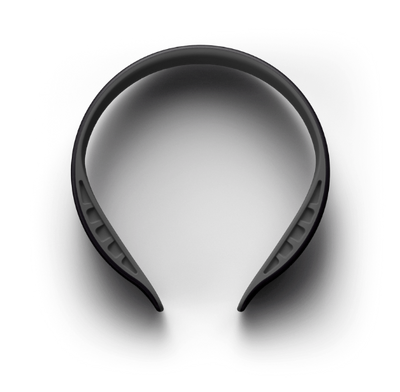
The Q-Collar is worn around the neck and applies light, comfortable pressure to the sides of the neck. This pressure partially occludes the internal jugular veins, causing blood volume inside the skull to increase slightly. With more blood in the cranial cavity, the brain fits more snugly within the skull. When impact occurs, the brain has less room to move, reducing the stretching and compression of brain tissue.
The mechanism is straightforward:
- Light pressure on the jugular veins slows blood outflow from the brain
- Blood volume inside the skull increases slightly
- The brain occupies more of the available space within the cranial cavity
- Upon impact, brain movement is reduced
- Reduced movement means less stretching and tearing of brain fibers
Importantly, the Q-Collar does not restrict blood flow through the carotid arteries. Blood continues to flow freely to the brain. The device only affects venous outflow, creating a mild backpressure that increases intracranial blood volume.
A study published in the British Journal of Sports Medicine involving 19 adults confirmed the mechanism. Researchers measured optic nerve sheath diameter, a proxy for intracranial volume, and found that jugular vein compression increased the measurement from 4.6mm to 4.9mm, demonstrating that blood volume inside the skull had increased.
The Q-Collar received FDA clearance as a Class II medical device in February 2021, following a De Novo review of clinical data from over 500 athletes across multiple prospective studies. The device is designed to help protect the brain from the effects associated with repetitive sub-concussive head impacts.
Clinical Research in High School Football
The most directly relevant research for parents evaluating football neck protection comes from a study published in the British Journal of Sports Medicine in 2016. The study involved 42 high school football players over the course of a single season.
Players were divided into two groups. One group wore the Q-Collar during all practices and games. The other group, serving as a control, wore standard equipment only. All players underwent brain imaging using diffusion tensor imaging (DTI) at the beginning and end of the season. DTI is a specialized MRI technique that measures the structural integrity of white matter, the brain tissue composed of nerve fibers that connect different brain regions.
The findings were significant. Players in the control group showed measurable changes in white matter structure over the course of the season. These changes, detected as alterations in DTI biomarkers, indicated that the brain tissue had been affected by the cumulative impacts absorbed during football activities.
Players who wore the Q-Collar showed no significant white matter changes. Despite being exposed to similar head impact loads, the collar-wearing group's brain imaging remained stable from the beginning to the end of the season.
This study has been followed by additional research in other sports, including hockey and soccer, with similar patterns observed. The research does not claim that the device prevents all brain injury or guarantees long-term cognitive outcomes, but it provides evidence that reducing brain movement during impact is associated with measurable differences in brain structure over a season of play.
Equipment Compatibility and Layered Protection
One of the most common questions parents ask about football neck protection is how different devices work together. Can a player wear a Q-Collar with a traditional neck roll? Does the collar interfere with helmet fit or shoulder pad positioning?
The Q-Collar is designed to integrate into a complete football equipment setup without interference. The device sits around the neck, below the helmet and above the shoulder pads. It does not attach to other equipment and does not restrict the range of motion needed for football activities.
Key compatibility points:
- The Q-Collar fits under the helmet without affecting helmet positioning or chin strap placement
- The device sits above the shoulder pads and does not interfere with pad fit or adjustment
- Players can wear the Q-Collar with or without a traditional neck roll, depending on personal preference and positional needs
- The collar is compatible with all standard football helmets and does not require modifications to existing equipment
The concept of layered protection is central to modern football safety. No single piece of equipment addresses all injury risks. Helmets reduce skull fracture risk and absorb some impact force. Shoulder pads protect the torso and collarbone. Mouthguards protect teeth and may reduce jaw injury. The Q-Collar addresses brain movement inside the skull.
Each layer serves a distinct purpose. The goal is not to replace existing equipment but to add an additional layer of protection that addresses a specific mechanism of injury that other equipment does not target.
For parents building a complete safety setup, the checklist includes:
- A properly fitted helmet that meets current safety certifications
- Shoulder pads appropriate for the player's position and size
- A mouthguard, ideally custom-fitted
- Additional protective gear as needed (rib pads, hip pads, tailbone pad)
- A Q-Collar sized correctly for the player's neck circumference
Proper fit is critical for all equipment. A Q-Collar that is too loose will not provide the necessary jugular vein compression. A collar that is too tight will be uncomfortable and may restrict movement. The device is sized numerically based on neck circumference measured in inches. Parents should measure at mid-neck with a soft tape, pulling snug with zero slack, and use the smallest of three measurements. If between sizes, choose the smaller size.
Professional Player Adoption
While clinical research provides the scientific foundation for brain protection devices, many parents also want to know what professional athletes are doing. If a device is effective, are players at the highest level using it?
The answer is yes. A growing number of professional football players have integrated the Q-Collar into their equipment setup. These athletes have access to the best medical staff, equipment managers, and performance specialists in the sport. Their adoption reflects both an understanding of the research and a practical assessment of the device's comfort and compatibility with professional play.
Professional players currently wearing the Q-Collar include:
- Sauce Gardner, cornerback for the New York Jets
- Logan Wilson, linebacker for the Cincinnati Bengals
- Tony Pollard, running back for the Tennessee Titans
- Kahlil Herbert, running back for the Indianapolis Colts
- Dalton Schultz, tight end for the Houston Texans
- Zack Moss, running back for the Cincinnati Bengals
- Dalton Kincaid, tight end for the Buffalo Bills
- Colby Parkinson, tight end for the Los Angeles Rams
- Byron Murphy, cornerback for the Minnesota Vikings
- Andrew Beck, fullback for the New York Jets
- Drue Tranquill, linebacker for the Kansas City Chiefs and Super Bowl Champion
These players represent a range of positions, from linemen who absorb frequent contact on every play to skill position players who experience high-velocity collisions. Their adoption suggests that the device is practical across different playing styles and positional demands.
For parents evaluating equipment for youth and high school players, professional adoption provides a useful reference point. While the forces involved at the professional level are greater, the underlying mechanism of brain injury, brain movement inside the skull, is the same across all levels of play.
Q-Collar Product Details
For families building a complete football safety setup, the Q-Collar product page covers pricing, sizing, and the full feature set, and the deeper sport-specific research is gathered on the Q-Collar in Football page.
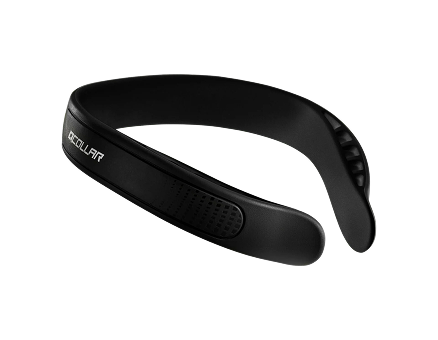
FOR ATHLETES
Q-Collar
The first and only FDA-cleared device designed to help protect the brain from the effects of repetitive sub-concussive head impacts in sports.
$199.00
Buy NowFrequently Asked Questions
How does the Q-Collar help protect the brain?
The Q-Collar is FDA-cleared to help protect the brain from the effects of repetitive sub-concussive head impacts. However, the FDA states that "data do not demonstrate that the device can help protect the brain or serious brain injury." The Q-Collar is designed as an additional layer of protection to be used alongside helmets and other sport-appropriate protective equipment, not as a replacement for any existing gear.
How is the Q-Collar different from a traditional football neck roll?
Traditional neck rolls were designed to limit extreme backward extension of the neck and reduce cervical spine injury risk. They provide a physical barrier that restricts how far the neck can bend. The Q-Collar works differently: it applies light pressure to the jugular veins, slightly increasing blood volume inside the skull, which reduces the brain's movement upon impact. A neck roll addresses neck mechanics; the Q-Collar addresses brain movement inside the skull.
Can a player wear both a Q-Collar and a traditional neck roll?
Yes. The Q-Collar is designed to integrate into a complete football equipment setup without interference. It sits around the neck, below the helmet and above the shoulder pads. Players can wear the Q-Collar with or without a traditional neck roll, depending on personal preference and positional needs. The two devices serve different purposes and do not interfere with each other.
What research supports the use of Q-Collar in football?
A 2016 study published in the British Journal of Sports Medicine involving 42 high school football players found that collar-wearing athletes showed no significant white matter changes on brain imaging over a season, while control players showed measurable changes despite similar head impact exposure. The FDA reviewed data from over 500 athletes across multiple prospective clinical studies before clearing the Q-Collar in February 2021. Additional research has been published in Frontiers in Neurology and other peer-reviewed journals.
How do I know what size Q-Collar to order?
The Q-Collar is sized numerically based on neck circumference measured in inches. To measure, use a soft tape measure at mid-neck (the midpoint between the base of the skull and the top of the shoulders). Pull the tape snug with zero slack, measure three times, and use the smallest measurement. If you are between sizes, choose the smaller size. The device must fit snugly to provide the necessary jugular vein compression.
Does the Q-Collar restrict blood flow to the brain?
No. The Q-Collar applies light pressure to the jugular veins, which carry blood away from the brain. It does not restrict blood flow through the carotid arteries, which supply blood to the brain. The device creates a mild backpressure in the venous system, causing blood volume inside the skull to increase slightly. Blood continues to flow freely to the brain at all times.
Is the Q-Collar comfortable to wear during games and practice?
Yes. The Q-Collar is designed to be worn comfortably for the duration of practices and games. The device applies light, consistent pressure to the neck and does not restrict movement or breathing. Professional players, including Sauce Gardner, Logan Wilson, and Tony Pollard, wear the Q-Collar during games at the highest level of competition. Many players report that they forget they are wearing it after a few minutes.
Where can I buy a Q-Collar?
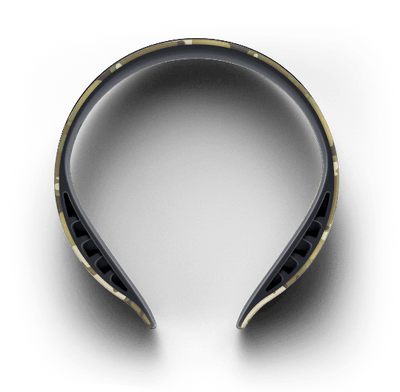
The Q-Collar is available for purchase at q30.com and through select retail locations. To find a retailer near you, visit the store locator on the Q30 website. The standard Q-Collar is priced at $199. Optional sleeves are available separately in 14 team colors.