

Football Neck Collars & Braces: From Stingers to Brain Slosh
Summary
- Football neck collars and braces fall into three main categories: traditional neck rolls, cowboy collars, and foam collars. Each one is designed to help reduce a specific neck or spinal injury, not brain injury.
- Stingers and burners affect an estimated 65% of college football players at some point in their careers. Traditional neck protection is designed to help reduce that specific risk.
- Brain injury is a different problem. The brain can move inside the skull during impact, a phenomenon that no helmet or neck collar is designed to address. The CDC HEADS UP program documents the cumulative nature of head impact exposure in contact sports.
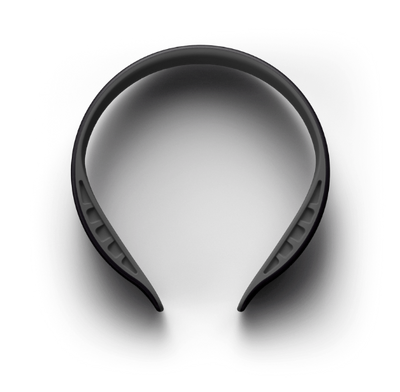
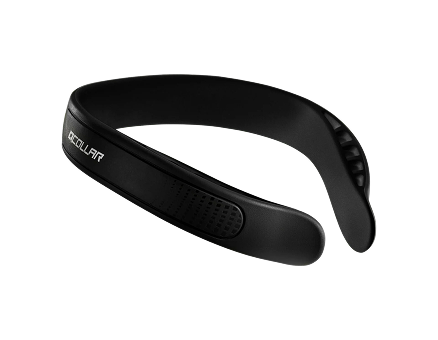
- The Q-Collar is not a neck brace. It is an FDA-cleared Class II medical device designed to help protect the brain from effects associated with repetitive sub-concussive head impacts. It works with existing equipment, not instead of it.
- In peer-reviewed clinical research, scientists observed a 66% reduction in the likelihood of brain damage over a season of play, based on DTI imaging biomarkers.
- A complete approach includes the right helmet, appropriate neck collar for position and risk, and the Q-Collar as an additional layer focused on the brain. For a closer look at what professional players are choosing, see what pro football players wear on their necks.
Jump to a Section
- Why Football Players Wear Neck Protection
- The Three Main Types of Football Neck Protection
- What Each Type Does, and What It Doesn't
- The Different Question: Protecting the Brain Inside the Skull
- How the Q-Collar Is Different from a Neck Brace
- Choosing the Right Equipment by Position
- What Coaches and Athletic Trainers Need to Know
- Frequently Asked Questions
Why Football Players Wear Neck Protection
Football is a collision sport. Every play involves contact, often at high velocity, often to the head, neck, and shoulders. The neck sits at the junction of two systems athletic protection has tried to safeguard for decades: the spine below and the head above. Both can be injured in the same play, by the same hit, in different ways.
The most common neck-related injury in football is the stinger, also called a burner. A stinger happens when the cervical nerves are compressed or stretched, often when a tackle drives the head down and to one side while the shoulder is pinned. The result is a sharp electrical pain that radiates down the arm, sometimes with weakness or numbness. Estimates from the American Academy of Orthopaedic Surgeons place stinger prevalence at around 65% of college football players over the course of a career.
Stingers are usually short-lived but they can become chronic with repeated exposure. The traditional response has been to add padding around the neck to restrict the extreme ranges of motion that cause the injury. That is the job of a football neck collar. Restrict the motion, restrict the injury.
This is the audience that searches for "football neck collar," "football neck brace," and "football neck protector." Parents, coaches, and players are looking for a way to make the next play safer. The right starting point is understanding what the available equipment is actually for.
The Three Main Types of Football Neck Protection
The football neck-protection category breaks down into three traditional designs, plus one newer device that belongs to a different category entirely. The traditional three are:
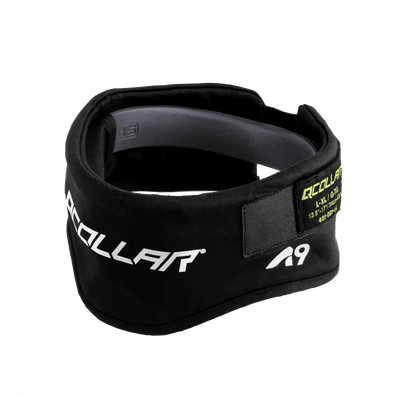
1. The classic neck roll. A foam cylinder that attaches across the back of the shoulder pads and rises behind the helmet. It physically blocks the head from extending too far backward or to the side. Neck rolls have been part of football since the 1970s and are most common among linebackers, running backs, and defensive linemen.
2. The cowboy collar. A taller, thicker foam collar that rises higher than a traditional neck roll and wraps further around the sides of the neck. Named for early adopters on the Dallas Cowboys, the cowboy collar restricts head motion in multiple directions, designed to help reduce hyperextension injuries. Defensive backs and offensive linemen often wear them.
3. The integrated foam collar. Modern shoulder pads sometimes integrate foam collars into the shoulder pad design itself, removing the need for a separate add-on. The function is the same: limit extreme head movement to help reduce nerve injuries and stingers.
All three of these address the same underlying problem: the neck moving too far in directions it should not. They are mechanical solutions for a mechanical problem.
The fourth device, the Q-Collar, is not in this category. It does not restrict neck motion. It does not physically pad the neck. It is a separate class of equipment designed for a separate problem. More on that below.
What Each Type Does, and What It Doesn't
Coaches and parents often ask whether a neck roll or cowboy collar reduces concussion risk. The honest answer is no equipment can claim to prevent concussions, however certain devices are clinically validated to better protect the brain. The traditional neck collars and rolls are not in that group. They are designed to help reduce stingers, burners, and certain hyperextension injuries.
Here is the breakdown:
Neck rolls and cowboy collars are designed to help reduce:
- Stingers and burners (cervical nerve compression)
- Cervical hyperextension
- Whiplash-style neck strain
- Direct trauma to the neck from contact
Neck rolls and cowboy collars are not designed to address:
- Brain movement inside the skull during impact
- Repetitive sub-concussive head impact effects on the brain
- Concussion risk
- Long-term cognitive effects from accumulated impacts
This is not a limitation of the product. It is a limitation of the category. A foam collar around the neck cannot stop the brain from moving inside the skull on impact, because the brain's motion is governed by physics happening on the other side of the bone.
For a long time, that was an unsolved problem. Today there is a different category of device for it.
The Different Question: Protecting the Brain Inside the Skull
The brain is not fixed in place. It is soft tissue suspended in cerebrospinal fluid within the skull cavity. When a player takes a hit, the head can stop, change direction, or accelerate suddenly. The brain, with its own mass and momentum, continues moving. Depending on the angle and severity of the impact, that movement can include contact with the inside of the skull and rotational displacement.
This internal motion is one of the mechanical drivers of brain injury. A helmet can absorb a direct blow to the outside of the skull, which is critical and irreplaceable. But a helmet cannot prevent the brain from sloshing inside.
This is the gap. It is the part of the problem that traditional football safety equipment, including every neck collar and cowboy collar ever made, does not address.
Research over the last fifteen years has shown that repetitive sub-concussive impacts, the small daily hits that do not produce immediate symptoms, can accumulate measurable changes in brain tissue over a season. Studies published in the British Journal of Sports Medicine and other peer-reviewed journals have documented these changes using diffusion tensor imaging, a brain-imaging technique that detects micro-structural changes invisible to standard MRI. For a deeper look at what this body of research has taught the field, see a decade of sub-concussive impact research.
The science behind these findings drove the development of a new device class.
How the Q-Collar Is Different from a Neck Brace
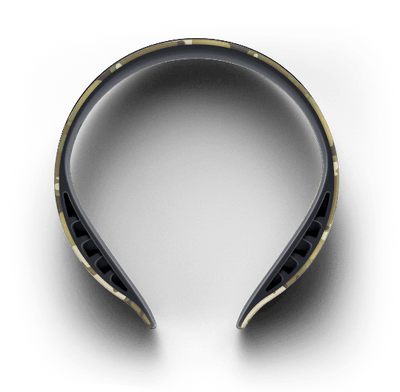
The Q-Collar is the only FDA-cleared device in its category. It is a Class II medical device, designed to help protect the brain from effects associated with repetitive sub-concussive head impacts.
It is not a neck brace. It is not a neck roll. It is not a cowboy collar. The Q-Collar does not restrict head movement and does not pad the neck. Calling it a neck brace would misrepresent what it does.
Here is how it actually works. The Q-Collar applies light, calibrated pressure to the sides of the neck, specifically over the jugular veins. This pressure slightly increases the blood volume in the venous structures surrounding the brain. The added volume helps protect the brain from slosh on hard hits and reduce brain movement on impact. The mechanism is sometimes described as creating a tighter fit for the brain inside its bony case.
In peer-reviewed clinical studies, researchers observed a 66% reduction in the likelihood of brain damage over a season of play, based on DTI imaging biomarkers. That number reflects the change in brain imaging signatures, not a claim of preventing any specific injury.
What separates the Q-Collar from a neck brace is the underlying problem each one is built for. A neck brace is a mechanical solution for the cervical spine and surrounding nerves. The Q-Collar is a physiological tool for what happens inside the skull. They can be worn together. Many players wear both. For a side-by-side breakdown of neck rolls vs. the Q-Collar, that piece walks through what each one is designed to protect and why a player might want both.
Choosing the Right Equipment by Position
Different football positions face different impact profiles. The right protective setup reflects that.
Linemen (offensive and defensive). Linemen take the highest volume of head contact, mostly low-velocity and repetitive. A traditional neck roll or cowboy collar is common for hyperextension protection. The Q-Collar adds a layer focused on the cumulative brain-impact exposure that lineman play produces over a season.
Linebackers and running backs. These positions combine high collision frequency with high velocity. Stinger risk is significant, so cowboy collars or integrated foam protection are widely used. The Q-Collar is relevant for the same reasons brain protection is relevant anywhere head contact accumulates.
Defensive backs and receivers. These positions experience fewer total hits but at higher velocities. Equipment choices often prioritize range of motion. The Q-Collar fits without restricting head movement, which is part of why it has been adopted at the position.
Quarterbacks. Sacks and ground impacts produce both rotational and direct forces. Many quarterbacks choose lower-profile protection to maintain visibility and arm motion. The Q-Collar is compatible with quarterback equipment loadouts.
Youth and high school players. Younger athletes are in development, and parents are increasingly informed about cumulative exposure risk. A well-fitting helmet, a position-appropriate neck collar, and the Q-Collar represent a layered approach that addresses both neck mechanics and brain-impact effects. Parents weighing the decision can read more on why youth football players should wear the Q-Collar.
What Coaches and Athletic Trainers Need to Know
Athletic trainers and coaches sit closest to the practical questions: what equipment is league-legal, what does the team budget allow, and what protocols make sense for the player's position and history.
Traditional neck collars and cowboy collars are widely permitted across youth, high school, college, and professional play. League-specific rules occasionally limit thickness or attachment points, so it is worth checking each season.
The Q-Collar is approved for use across the same levels. It is FDA-cleared, worn over the standard uniform, and does not interfere with helmets, shoulder pads, or any traditional neck protection. Players can wear the Q-Collar with or without a neck roll. The two devices are addressing different problems.
For trainers building protocols around return-to-play, baseline neurocognitive testing, and impact monitoring, the Q-Collar fits as a preventive equipment choice. It complements the existing safety stack rather than replacing any element of it. Coaches looking to lower cumulative exposure on the practice field can also review football training drills that reduce practice impact.
The bottom line: a complete approach to football safety considers the helmet, the neck collar or cowboy collar appropriate to the position, and the brain-focused protection that no traditional equipment is designed to provide. Each piece does what the others cannot.
For families building a complete football safety setup, the Q-Collar product page covers pricing, sizing, and the full feature set, and the deeper sport-specific research is gathered on the Q-Collar in football page.
FOR ATHLETES
Q-Collar
The first and only FDA-cleared device designed to help protect the brain from the effects of repetitive sub-concussive head impacts in sports.
$199.00
Buy NowFrequently Asked Questions
Is a neck roll the same as a Q-Collar?
No. A neck roll is traditional padding that restricts neck movement to help reduce stinger risk. The Q-Collar is an FDA-cleared Class II medical device that applies light pressure to the jugular veins, designed to help protect the brain from effects of repetitive sub-concussive head impacts. They address two different problems and can be worn together.
Do football neck collars prevent concussions?
No equipment can claim to prevent concussions, however the Q-Collar is clinically validated to better protect the brain from the effects of head impacts. Traditional neck collars and rolls are designed to help reduce stinger and burner injuries, not brain injury.
What is a cowboy collar in football?
A cowboy collar is a high foam collar attached to the back of shoulder pads. It restricts how far the head can extend backward, designed to help reduce hyperextension injuries to the cervical spine. It does not address brain movement inside the skull.
Can a player wear a Q-Collar with a neck roll or cowboy collar?
Yes. The Q-Collar works with all standard football equipment, including helmets, shoulder pads, neck rolls, and cowboy collars. It is an additional layer of protection, not a replacement for any existing gear.
What position needs neck protection most in football?
Linemen, linebackers, and running backs experience the highest cumulative head impact exposure. Defensive backs and receivers face high-velocity collisions. Quarterbacks face sack and ground impacts. Every position involves head impact exposure, which is why brain protection is relevant across the roster.
Are youth football players allowed to wear neck protection?
Yes. Most youth, high school, college, and professional football leagues permit neck rolls, cowboy collars, and the Q-Collar. Always check league-specific rules before the season begins.
What does the research say about the Q-Collar?
In peer-reviewed clinical studies, researchers observed a 66% reduction in the likelihood of brain damage over a season of play, based on DTI imaging biomarkers. The Q-Collar is the only FDA-cleared device in its category. See the published research.